Researchers from FANFR came up with a tool for checking the authenticity of Czech varietal wines.
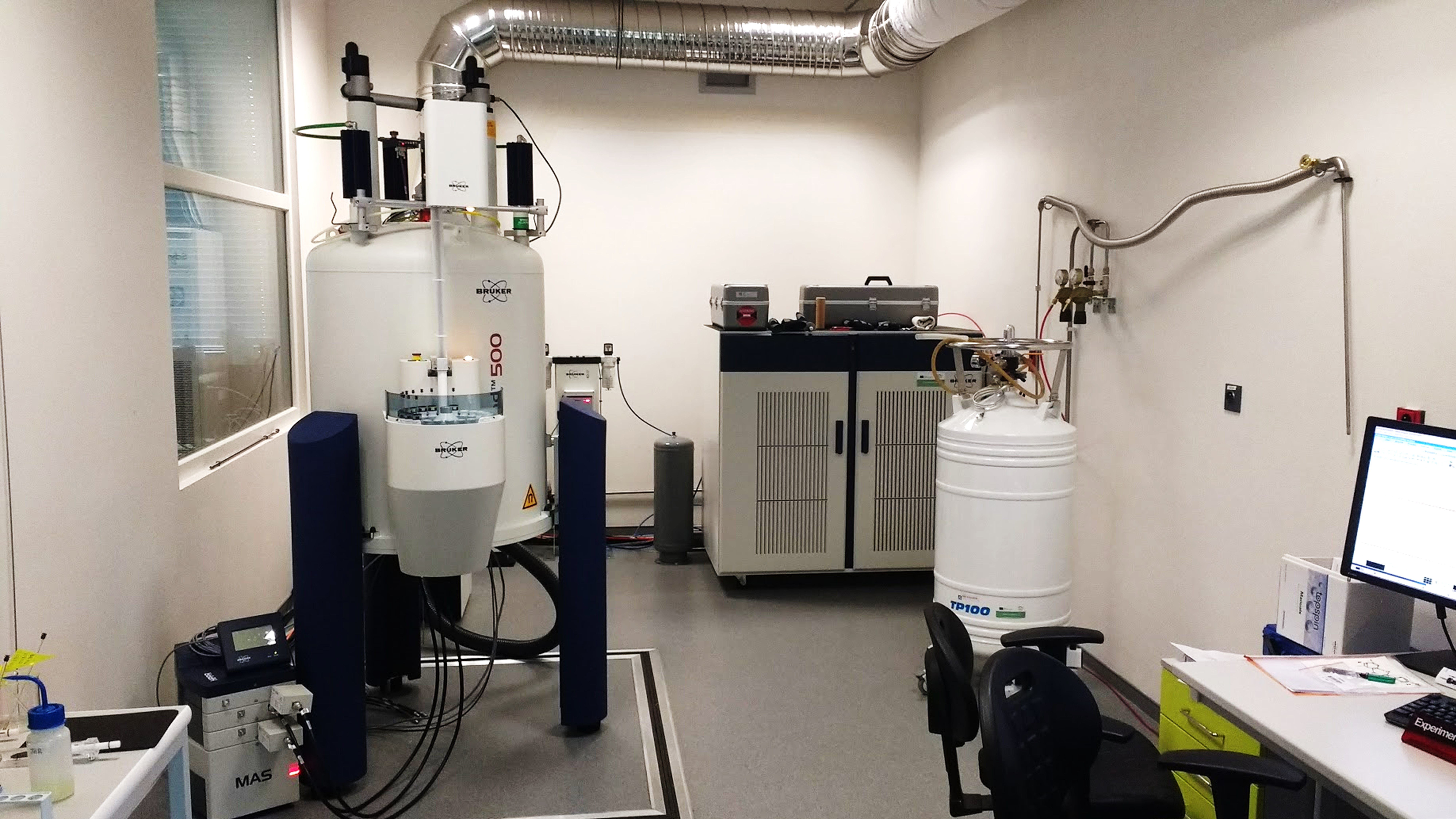
Nuclear magnetic resonance (NMR) spectroscopy is a very advanced method for chemical analysis. Its main use is in the determination of chemical structures, but it has gradually found its place in food quality assessment, especially in authenticity control. The Department of Food Science has this instrument and experts. For this reason, it has established cooperation with the National Wine Centre of the Czech Republic within the framework of METROFOOD-CZ activities, which is a long-term project offering cooperation in the introduction of new methods for determining food quality both in research and in practice. The Czech Republic is becoming an important European wine producer and winemakers' association is asking for a tool to check the authenticity of marketed varietal wines and guarantee the symbol of Protected Designation of Origin (PDO).
The study is based entirely on the principle that the measured wine spectra reflect the differentiated signals of individual substances like a fingerprint and compared them using advanced mathematical algorithms under the name of multivariate statistical models and machine learning methods.
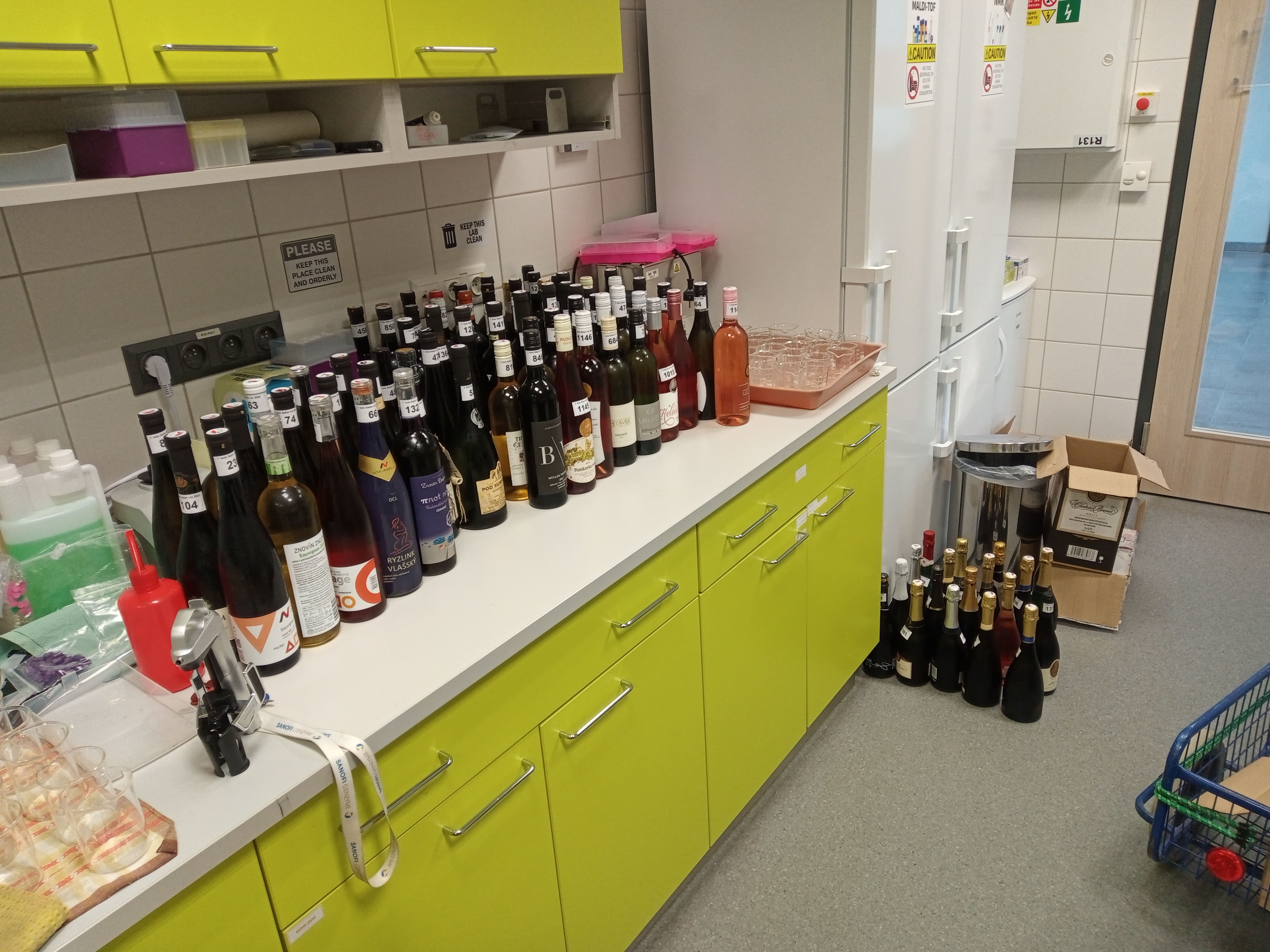
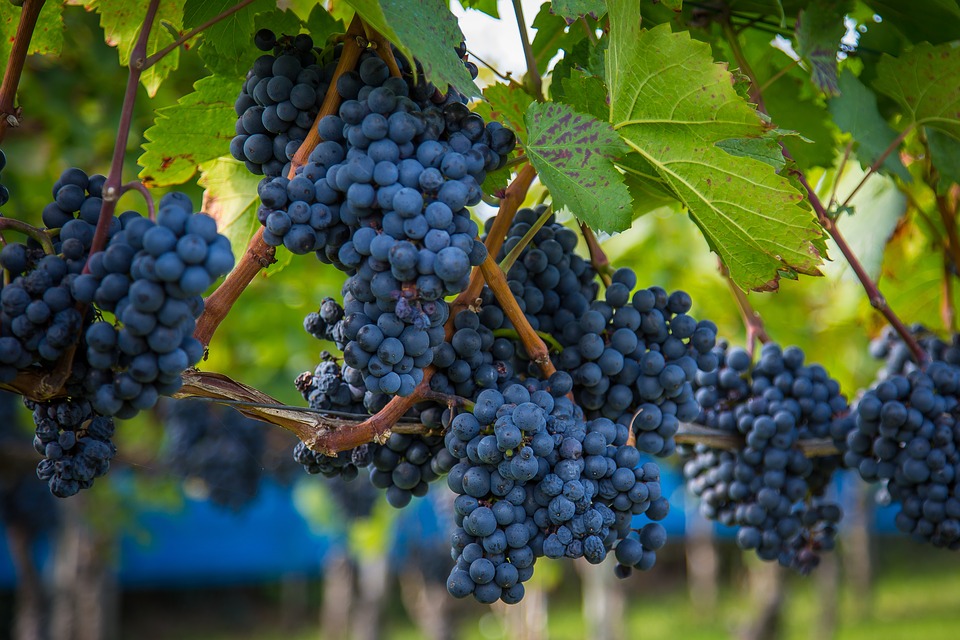
A set of 917 wines of Czech origin were used in the study to train the algorithms. The model can be used for classification of Pinot, Blaufränkisch, Riesling, Cabernet Sauvignon, Chardonnay, Gewürtztraminer and Hibernal with a low range of error in classification. The algorithm provides information about the residual sugar content and so the classification in dry and medium dry, medium, and sweet white wines and dry red wines.
We are working on including more varietal wines to increase the number of varieties correctly classified and locations.
Mascellani, A., Hoca, G., Babisz, M., Krska, P., Kloucek, P., & Havlik, J. (2021). 1H NMR chemometric models for classification of Czech wine type and variety. Food chemistry, 339, 127852.
https://www.sciencedirect.com/science/article/abs/pii/S0308814620317143